Lesotho 🇱🇸
Kingdom of Lesotho
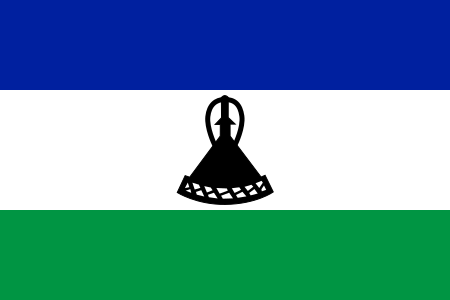
The flag of Lesotho is composed of three horizontal bands of blue, white and green in the ratio of 3:4:3. A black mokorotlo — a Basotho hat — is centered in the white band.
Location
Quick Facts
Alpha 2
LSAlpha 3
LSONumber
426TLD
.lsCapital
MaseruPopulation
2,142,252Area
30,355 km²Landlocked
YesLanguages
Currencies
Drives on
LeftWeek starts
MondayTimezones
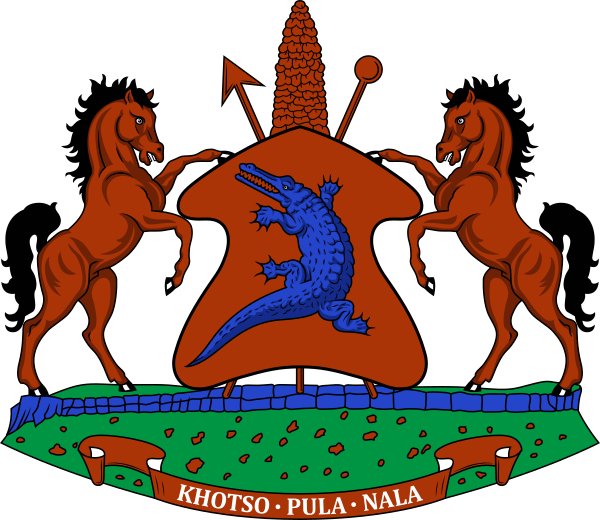
UTC+02:00Coat of Arms
What is the Flag of Lesotho?
The national flag of Lesotho is a horizontal tricolour of blue, white and green. It was adopted on October 4, 2006 and is the sixth national flag of Lesotho since its independence in 1966.What does the Lesotho Flag Look Like?
The Lesotho flag is a tricolour of three horizontal stripes. The top stripe is blue, the middle stripe is white and the bottom stripe is green. The blue stripe represents the sky and rain, the white stripe symbolizes peace and unity, and the green stripe symbolizes prosperity. The flag is bordered on three sides by a thin black line, and in the centre of the white stripe, there is the Lesotho Coat of Arms.What is the Lesotho Flag Called?
The Lesotho flag is called the “Lerotholi” after the first king of Basutoland. The name means "our strength is in our unity". The flag is also sometimes referred to as the Basotho flag.What Does the Lesotho Flag Represent?
The Lesotho flag is a symbol of national unity and pride. The blue stripe represents the sky and rain, the white stripe symbolizes peace and unity, and the green stripe symbolizes prosperity. The Lesotho Coat of Arms in the centre of the flag is a reminder of the nation’s history and its culture. It is also a symbol of the nation’s commitment to justice and democracy. The Lesotho flag is a symbol of the country’s independence and sovereignty and a symbol of its hope for a better future.Who Created the Basotho Flag?
The Lesotho flag was designed by a South African Professor named John Carter, who was a professor at the University of Lesotho in 1978. He was a professor of architecture and design and had a deep love and appreciation for the Basotho culture and heritage.
The design of the Lesotho flag was based on the traditional Basotho blanket, which were first made by the Basotho people in the late 19th century. The traditional Basotho blanket is a large, rectangular piece of cloth that is worn over the shoulders and around the body and is usually brightly coloured. It is a symbol of the Basotho people's cultural identity, heritage and pride.
The design of the Lesotho flag consists of two horizontal stripes of blue and white, with a black triangle at the hoist bearing a white mokorotlo (traditional Basotho hat). The blue and white stripes represent rain and prosperity, while the black triangle and mokorotlo symbolise the Basotho people and their loyalty to the king.
The Lesotho flag was officially adopted on October 4th, 1987, after it was approved by the government. Since then, it has become a symbol of national pride, unity and identity for the people of Lesotho. The flag is now widely used in both official and unofficial settings, and is seen in many public places throughout the country.
John Carter's design for the Lesotho flag has been praised for its simplicity and striking symbolism. It has become an important symbol of Basotho culture and heritage, and it has been adopted by many different people and organisations around the world. In addition, the flag serves as a reminder of the country's commitment to peace, unity and stability.
The Colours of Lesotho
Bordering Countries

Similar Flags
Flags that share colours with Lesotho