Guinea 🇬🇳
Republic of Guinea

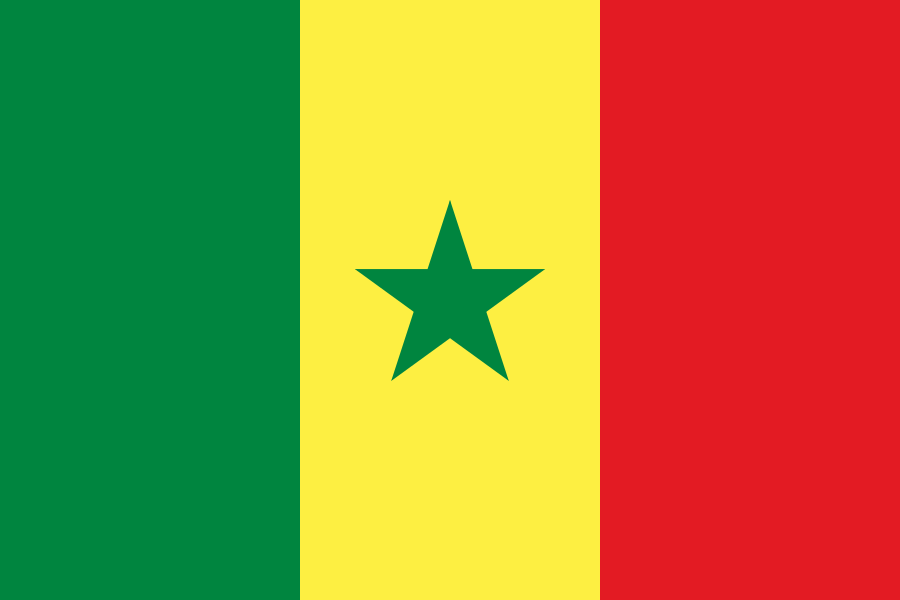
The flag of Guinea is composed of three equal vertical bands of red, yellow and green.
Location
Quick Facts
Alpha 2
GNAlpha 3
GINNumber
324TLD
.gnCapital
ConakryPopulation
13,132,792Area
245,857 km²Languages
Currencies
Drives on
RightWeek starts
MondayTimezones
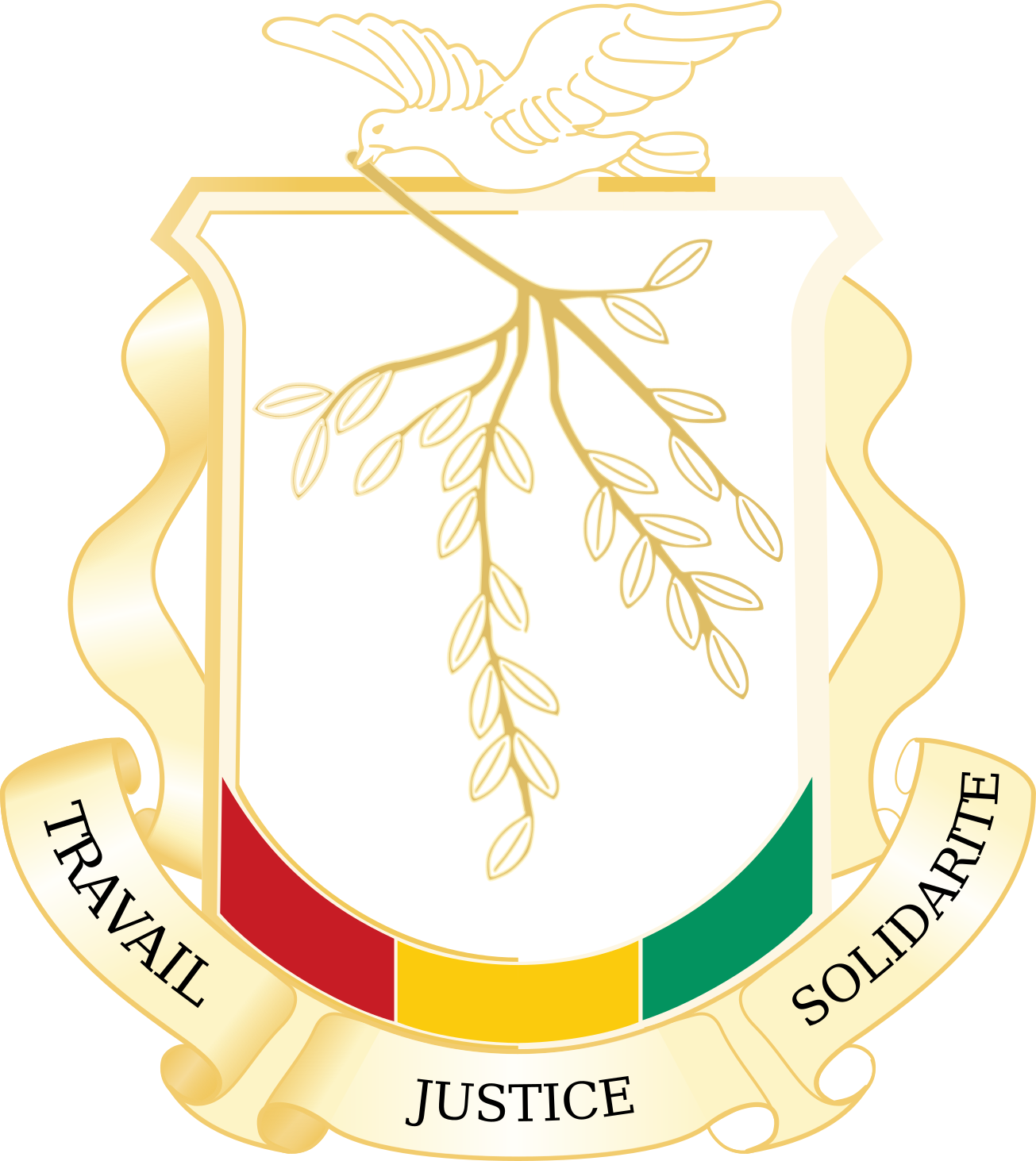
UTCCoat of Arms
What is the Flag of Guinea?
The flag of Guinea is the national flag of the Republic of Guinea. It was adopted in 1958 and is composed of three equal horizontal stripes of red, yellow and green. A golden star is located in the center of the yellow stripe, symbolizing the nation's unity.
What Does the Guinea Flag Look Like?
The Guinea flag is composed of three equally sized horizontal stripes of red, yellow and green. The red stripe is on the top, the yellow stripe is in the middle, and the green stripe is on the bottom. A golden star is centered in the yellow stripe, symbolizing the nation's unity. The three colors of the flag are said to represent the country’s three main ethnic groups: the Fula, Soussou, and Malinke.
What is the Guinea Flag Called?
The Guinea flag is commonly known as the "Guinea tricolor". The flag is also sometimes referred to as the "flag of freedom and unity".
What Does the Guinea Flag Represent?
The colors of the Guinea flag are believed to represent the country's three main ethnic groups: the Fula, Soussou, and Malinke. The golden star in the center of the yellow stripe symbolizes the nation's unity and freedom. The flag also is believed to represent the country's commitment to progress, peace, and unity.
Who Created the Guinean Flag?
The flag of Guinea was designed in 1958 by the country's first president, Sekou Toure. The flag is composed of three horizontal stripes of red, yellow, and green, with a yellow star in the center. The colors and the star are both symbols of African unity, which was a major part of Toure’s vision for the nation.
The red stripe of the Guinea flag symbolizes the blood that was shed by the country’s people in the fight for independence. The yellow stripe symbolizes the wealth of the country and the future of Guinea. The green stripe symbolizes the country’s natural beauty, and the star is a symbol of African unity and solidarity.
Toure was a major advocate of African unity and he wanted the flag to reflect that. He wanted the flag to be a symbol of hope and pride for all the people of Guinea. Toure was also a proponent of Pan-Africanism, which is the idea that all African countries should work together to achieve economic and social progress.
The flag of Guinea also has a unique history. When Toure was first elected president in 1958, he adopted a flag with two stars, representing the two regions of Guinea. However, in 1961, Toure changed the flag to the one we know today with the single star in the middle, representing African unity and solidarity.
The flag of Guinea is still in use today and is a symbol of pride for the country and all of its people. It is also seen as a reminder of the country’s struggle for independence and the importance of African unity. The flag stands as a reminder of the legacy of Sekou Toure and his vision for the nation.
Bordering Countries



Similar Flags
Flags that share colours with Guinea