Mali 🇲🇱
Republic of Mali
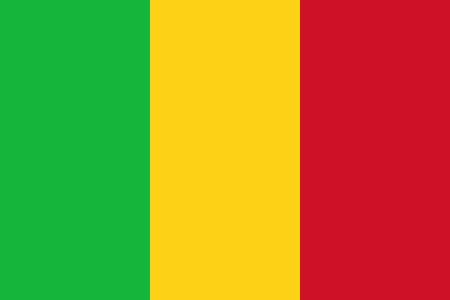
The flag of Mali is composed of three equal vertical bands of green, yellow and red.
Location
Quick Facts
Alpha 2
MLAlpha 3
MLINumber
466TLD
.mlCapital
BamakoPopulation
20,250,834Area
1,240,192 km²Landlocked
YesLanguages
Currencies
Drives on
RightWeek starts
MondayTimezones
UTCCoat of Arms
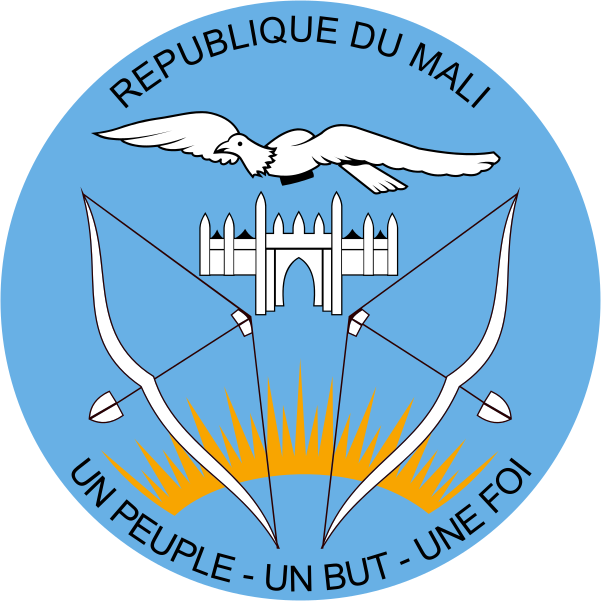
What is the Flag of Mali?
The flag of Mali is a tricolour flag consisting of three equal vertical stripes of green, yellow and red. The flag was adopted on April 4, 1961. It has been the national flag of the Republic of Mali since its independence in 1960.
What does the Mali Flag Look Like?
The flag of Mali is composed of three equal vertical stripes of green, yellow and red. The green stripe is located at the hoist side and the yellow and red stripes are located at the fly side. The green stripe is charged with a yellow crescent and a five-pointed star in the middle.
The green stripe represents hope and is symbolic of the vast natural resources of the country. The yellow stripe stands for the mineral wealth of the country, including gold which is the primary export of Mali. The red stripe stands for the blood of the Malian people, who have suffered greatly for their independence.
What is the Mali Flag Called?
The official name of the Mali flag is the Flag of the Republic of Mali. It is also known as the tricolour flag, the Malian flag, or the Flag of Freedom.
What does the Mali Flag Represent?
The Mali flag represents the nation's struggle for freedom and independence from France, and the unity and pride of the Malian people. The green stripe stands for hope and the natural resources of the country. The yellow stripe stands for the mineral wealth of the country, including gold. The red stripe stands for the blood of the Malian people who have suffered greatly for their independence.
Who Created the Malian Flag?
The Mali flag was designed and created by the Confédération Générale des Travailleurs du Mali (General Confederation of Malian Workers) in 1961, shortly before the country gained its independence. The colors of the flag, green, yellow, and red, were chosen to represent the three major ethnic groups in the country: the Bambara, the Songhai, and the Tuareg. The colors of the flag were inspired by the Pan-African colors, and the pattern of the flag was inspired by the flag of Ghana.
The green on the Mali flag represents the national wealth of the country, and the fertility of its land. The yellow represents the country’s mineral wealth, and the red represents the blood that was shed during the struggle for independence. The design of the flag was adopted at the same time as the country’s independence, and it has remained unchanged to this day.
The flag of Mali is a vertical tricolor, with a wide green stripe on the left, a narrow yellow stripe in the center, and a wide red stripe on the right. The green stripe is twice as wide as the yellow and red stripes. At the center of the flag is a black star, which is used to represent unity and pride in the country.
The design of the Mali flag was inspired by the flag of Ghana, which was also chosen as the flag of the Pan-African movement. The colors of the flag were chosen to represent the three major ethnic groups in the country, and the pattern of the flag was inspired by the flag of Ghana. The Mali flag is a reflection of the country’s multicultural population, and its long history of struggle for independence. The colors of the flag were chosen to symbolize the strength of the country, and its journey to freedom and unity.
Bordering Countries


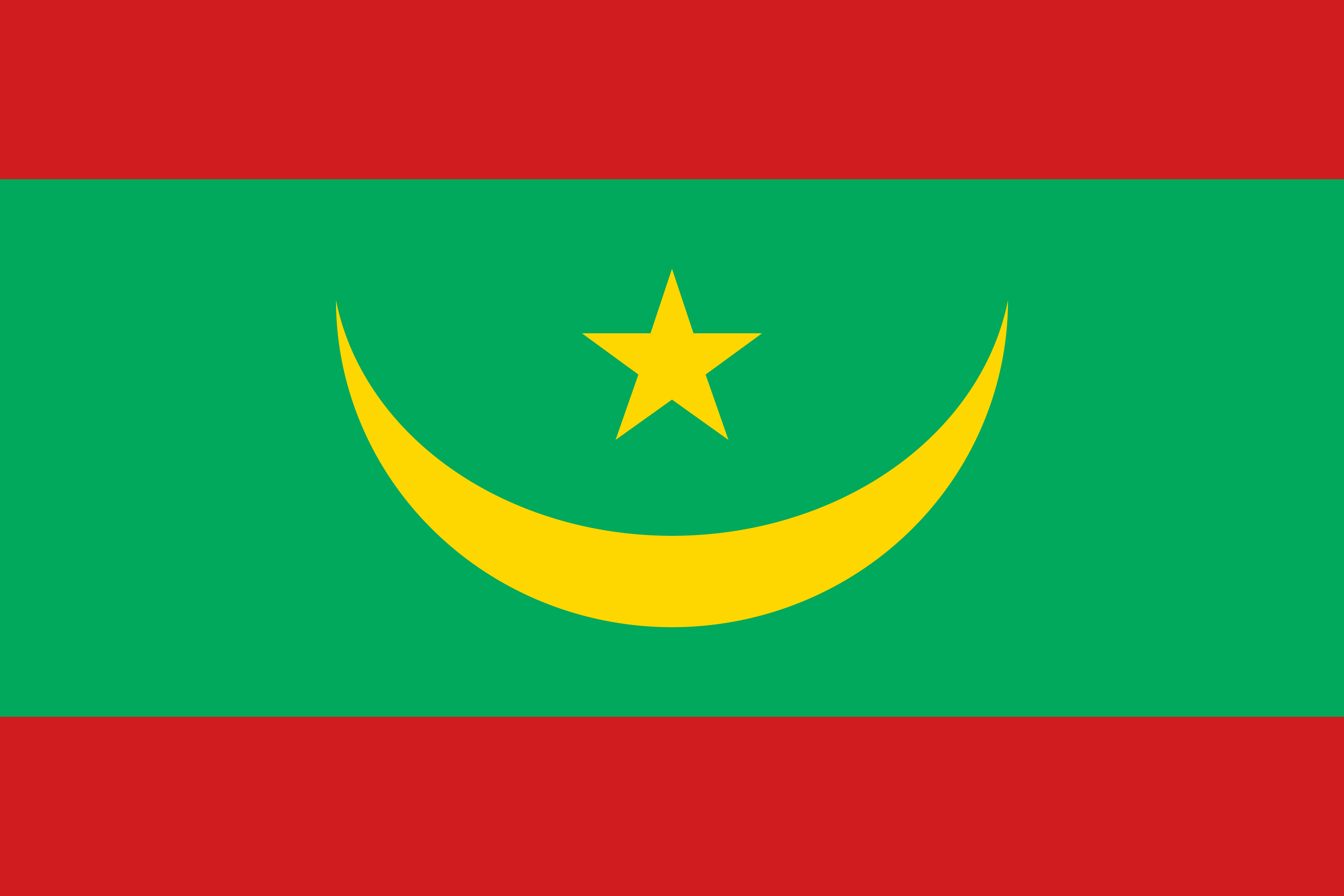

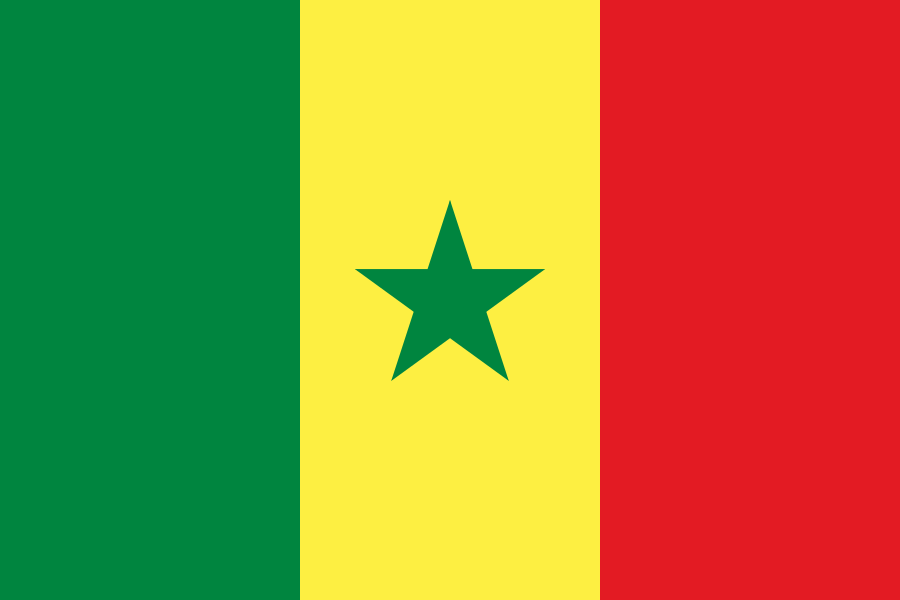
Similar Flags
Flags that share colours with Mali