Zambia πŸ‡ΏπŸ‡²

Republic of Zambia

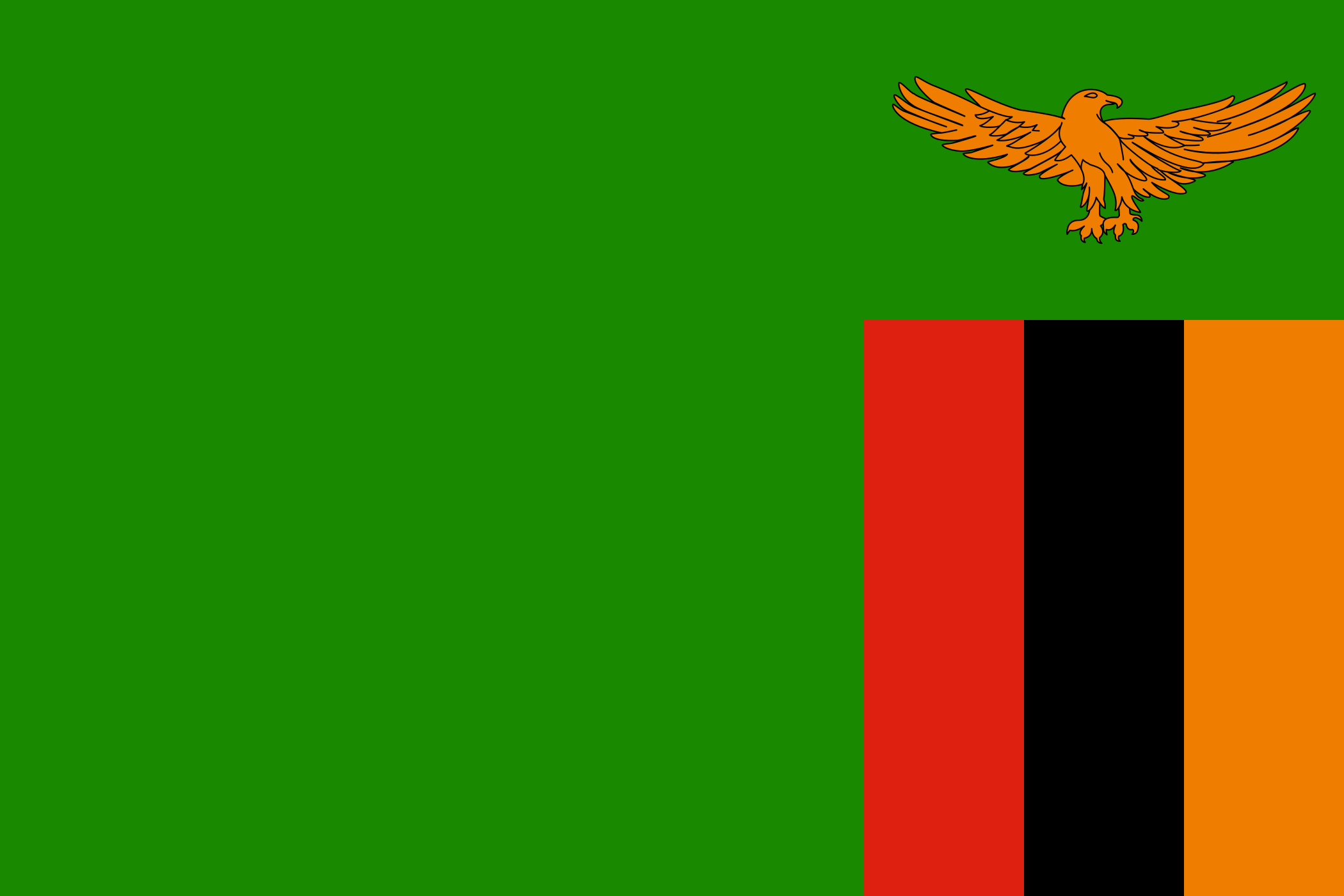
Zambia Flag

The flag of Zambia has a green field, on the fly side of which is a soaring orange African fish eagle above a rectangular area divided into three equal vertical bands of red, black and orange.

Location

Quick Facts

Alpha 2

ZM

Alpha 3

ZMB

Number

894

TLD

.zm

Capital

Lusaka

Population

18,383,956

Area

752,612 km²

Landlocked

Yes

Languages

English

Currencies

Zambian kwacha (ZK)

Drives on

Left

Week starts

Monday

Timezones

UTC+02:00

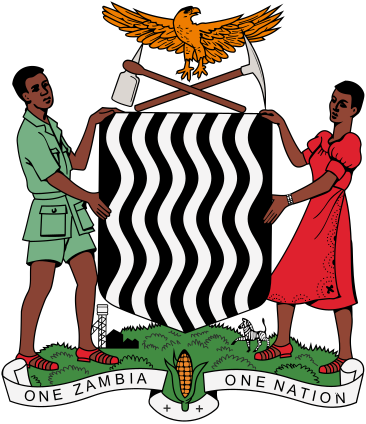
Coat of Arms

Coat of Arms of Zambia

What is the Flag of Zambia?

The flag of Zambia is a tricolor flag consisting of green, red, and black stripes. The top stripe is green, the middle stripe is red, and the bottom stripe is black. The flag also contains a red, black, and orange eagle in the center of the flag. It is one of the most recognized flags in Africa and is often referred to as the "African Eagle".

What Does the Zambia Flag Look Like?

The Zambia flag consists of three equal horizontal stripes that are colored green, red, and black from top to bottom. In the center of the flag is a red, black, and orange eagle. The colors of the flag symbolize the nation's commitment to freedom and justice. The eagle symbolizes the country's proud heritage and courage.

What is the Zambia Flag Called?

The official name of the Zambia flag is the "National Flag of the Republic of Zambia".

What Does the Zambia Flag Represent?

The Zambia flag represents the nation's commitment to freedom, justice, and national unity. The green stripe stands for the country's vast natural resources and agricultural wealth. The red stripe symbolizes the nation's struggle for independence and for a just and fair society. The black stripe represents the people of Zambia and their commitment to a prosperous future. The eagle in the center of the flag stands for courage, strength, and a proud heritage.

Who Created the Zambian Flag?

The Zambian flag was designed by a man named Kenneth Kaunda, who was the first president of the republic of Zambia. He was the leader of the United National Independence Party (UNIP) and served as president from 1964 to 1991. Kaunda was born in the Chinsali district of the Northern Province in 1928. He was educated at the Munali Training Centre in Lusaka and later worked as a teacher.

Kaunda was instrumental in the struggle for independence from the British colonial power in 1964. He was appointed Prime Minister of the newly independent Zambia in 1964, and later became the country's first president in November of that same year.

Kaunda is remembered as the father of the Zambian flag. He was the one who chose the colors for the flag. The flag is composed of three equal horizontal stripes of green, red and orange. The green stripe symbolizes Zambia's natural resources and the environment, the red symbolizes the struggle for independence, and the orange symbolizes the country's mineral wealth.

The colors were taken from the country's national coat of arms, which features a fish, a drum, a pickaxe and a hoe, and is encircled by the Maramba shield of the Lozi people. The flag was adopted in October 1964, shortly after Zambia's independence.

Kaunda was a major proponent of Pan-Africanism, and was often seen wearing traditional African clothing. He also wrote books about the history and culture of his homeland. He passed away in 2021 at the age of 93.

The flag of Zambia is a symbol of freedom and unity, and stands for the strength and resilience of the Zambian people. It is a reminder of the courage and determination of the leaders who fought for the independence of the country and the sacrifices they made. It is a tribute to the man who designed the flag, Kenneth Kaunda, and his legacy will continue to live on in the people of Zambia.

The Colours of Zambia

The Hex Colours of Zambia

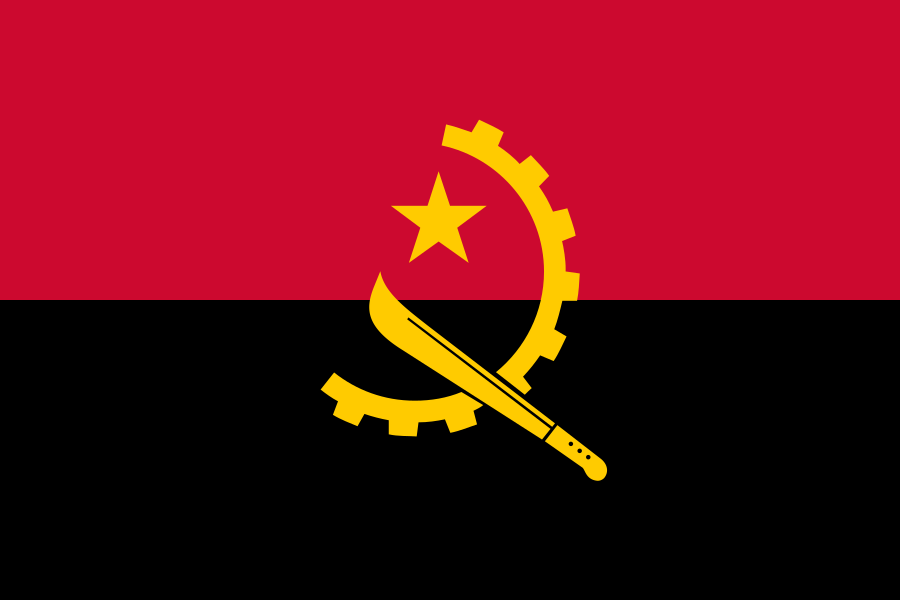
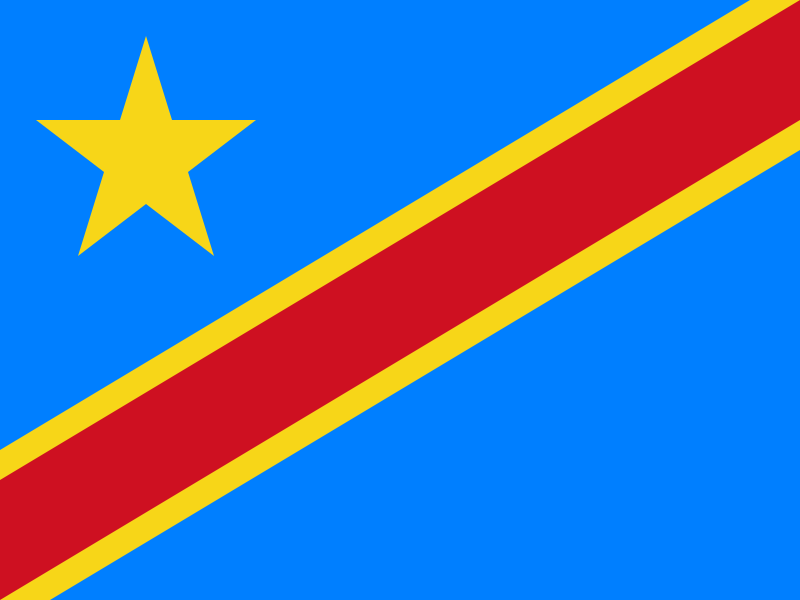
Similar Flags

Flags that share colours with Zambia