Vexillogasm
- Country Flags
- Colours
- Games
- Contact
- Search
-
= 2) window.location.href = '/search/?q=' + encodeURIComponent(query)" placeholder="Search countries, colours..." class="w-full py-3 px-4 rounded-xl border-3 border-primary text-primary dark:text-white dark:bg-primary text-sm font-medium focus:outline-none focus:border-secondary">
India 🇮🇳
Republic of India
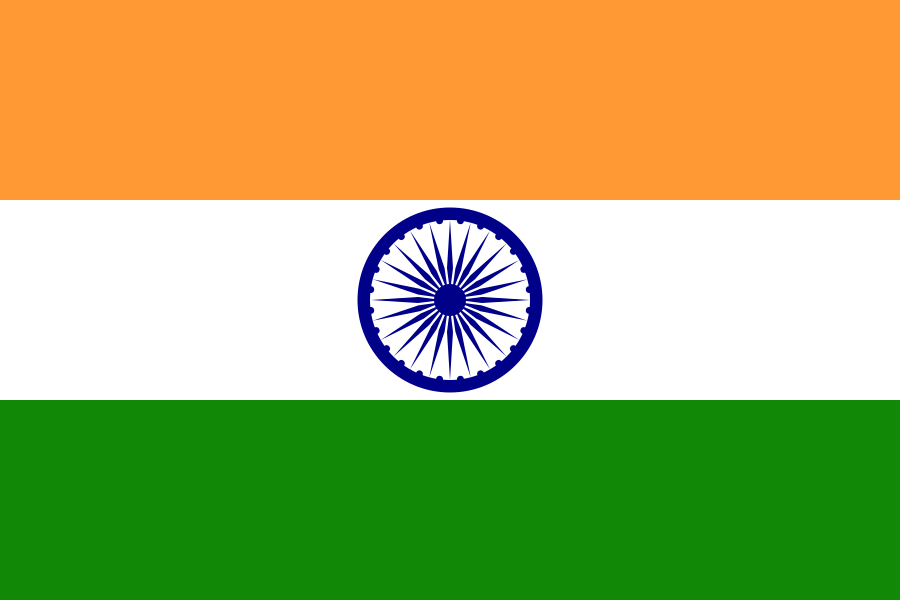
The flag of India is composed of three equal horizontal bands of saffron, white and green. A navy blue wheel with twenty-four spokes — the Ashoka Chakra — is centered in the white band.
Location
Quick Facts
Alpha 2
INAlpha 3
INDNumber
356TLD
.inCapital
New DelhiPopulation
1,380,004,385Area
3,287,590 km²Languages
Currencies
Drives on
LeftWeek starts
MondayTimezones
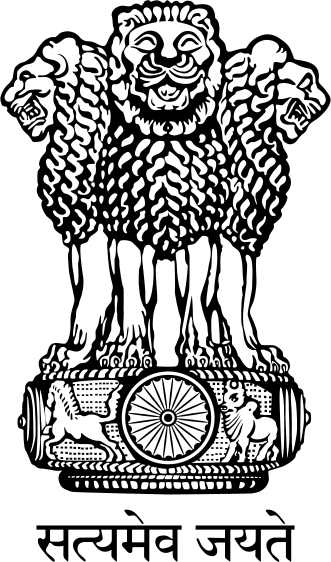
UTC+05:30Coat of Arms
What is the Flag of India?
The flag of India is a horizontal rectangular tricolor of India saffron, white and India green; with the Ashoka Chakra, a 24-spoke wheel, in navy blue at its center. It was adopted in its present form during a meeting of the Constituent Assembly held on 22 July 1947, and it became the official flag of India on 15 August 1947.
What Does the India Flag Look Like?
The flag of India consists of three vertical stripes of equal size. The top stripe is saffron in color, indicating the strength and courage of the country. The middle white stripe symbolizes peace and truth. The bottom stripe is green, representing faith, fertility and prosperity. In the middle of the flag is a blue wheel, which is known as the Ashoka Chakra. The wheel has 24 spokes, which represent the 24 hours in a day.
What is the India Flag Called?
The flag of India is officially known as the Triranga, which means "three colours". It is also commonly referred to as the Tiranga, meaning "tricolour".
What Does the India Flag Represent?
The flag of India is a symbol of national pride and unity. The three colors of the flag represent different aspects of the country. The saffron stands for courage and sacrifice, the white stands for peace and truth, and the green stands for faith and fertility. The Ashoka Chakra in the center of the flag is a representation of the eternal wheel of law. It is also a reminder of the nation's commitment to justice and righteousness. The flag is an expression of the nation's hopes and aspirations for a better future.
Who Created the Indian Flag?
The Indian national flag was designed by Pingali Venkayya, an Indian freedom fighter and scholar. He was born in a village called Bhatlapenumarru in Krishna District of Andhra Pradesh in August 2, 1876. He was a polymath and was well versed in many fields such as agriculture, economics, geography, history and politics.
The first version of the flag was designed by him in 1921. The flag was a horizontal tricolour of three equal stripes of red, yellow and green. At the center of the white strip was a spinning wheel to symbolize the progress of the country under the direction of Mahatma Gandhi.
The flag was modified in the year 1947 when India gained independence. The spinning wheel was replaced by a navy blue chakra in the center of the white strip. The navy blue chakra was taken from the Lion Capital of the Ashoka Pillar, representing the nation’s progress towards peace and prosperity.
In the year 2002, the Indian Flag Code was amended by the Government of India. The amendments included the provision of an additional flag, known as the Tiranga or the tricolor, which is the National Flag of India. The Tiranga has three horizontal stripes of saffron, white and green, with the Ashoka Chakra at the center of the white stripe.
The Indian Flag has gained immense popularity over the years and is a source of pride and patriotism for Indians all over the world. It is a symbol of India’s rich history, culture and diversity and is respected and held in high esteem all over the world.
Pingali Venkayya dedicated his entire life to the service of India and the cause of Indian freedom. He was a true patriot and his design of the Indian Flag is a testament to his love for his country. His contribution to the Indian struggle for independence will be remembered for generations to come.
Bordering Countries
Similar Flags
Flags that share colours with India