Netherlands 🇳🇱

Kingdom of the Netherlands

Netherlands Flag

The flag of the Netherlands is composed of three equal horizontal bands of red, white and blue.

Location

Quick Facts

Alpha 2

NL

Alpha 3

NLD

Number

528

TLD

.nl

Capital

Amsterdam

Population

16,655,799

Area

41,850 km²

Languages

Dutch

Currencies

Euro (€)

Drives on

Right

Week starts

Monday

Timezones

UTC-04:00, UTC+01:00

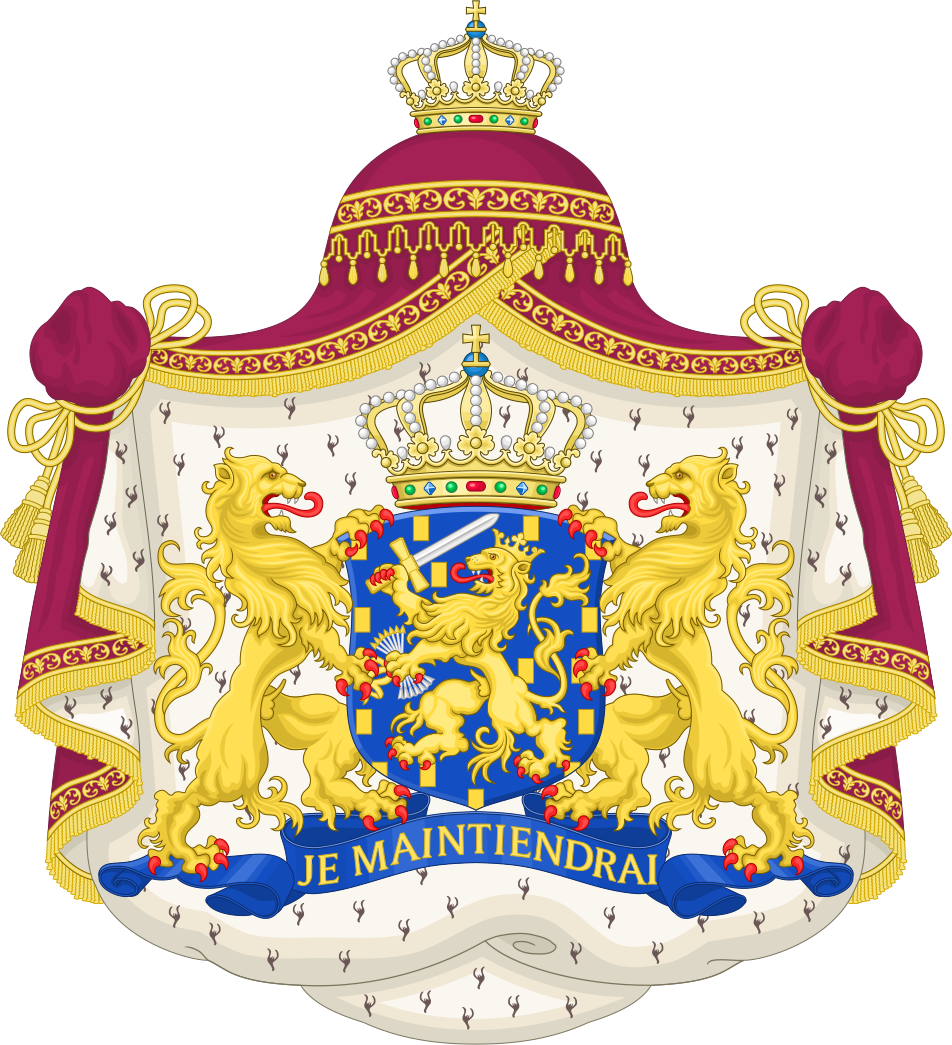
Coat of Arms

Coat of Arms of Netherlands

What is the Flag of Netherlands?

The flag of Netherlands is a horizontal tricolor of red, white, and blue. It has been in use since 1572 and is the oldest tricolor in the world. The Netherlands is a founding member of the European Union, and the flag is one of the official symbols of the EU.

What Does the Netherlands Flag Look Like?

The Netherlands flag is a classic horizontal tricolor. The top stripe is red, the middle stripe is white, and the bottom stripe is blue. The red and blue stripes are equal in width, while the white stripe is slightly wider than the other two. The flag is often seen with an additional small white stripe between the red and blue stripes, and this is called the Prince's Flag.

What is the Netherlands Flag Called?

The Netherlands flag is called the "Prince's Flag" or the "Prince of Orange Flag" in honor of William of Orange, who led the Dutch revolt against the Spanish in the late 16th century. The orange color was added to the flag to commemorate William of Orange.

What Does the Netherlands Flag Represent?

The Netherlands flag is a symbol of unity and freedom, as it is composed of the three colors that represent the people of the Netherlands. The red stripe represents the people of the north, the white stripe represents the people of the south, and the blue stripe represents the people of the west. The flag is also a symbol of strength and solidarity. It is a reminder of the Dutch resistance against Spanish rule and a sign of hope for a better future.

Who Created the Dutch Flag?

The Netherlands flag has a long and interesting history. It has gone through many changes throughout the centuries, but today it is recognized as a symbol of the Dutch people and their culture.

The current Dutch flag was designed by the Dutch artist, William I of Orange, in 1572. William I of Orange was an important leader in the Dutch War of Independence from Spain. He wanted to create a flag that would represent the Dutch people and their newly won freedom. He chose a horizontal tricolor design with red, white, and blue stripes. The red and white stripes represent the provinces of Holland and Zeeland, while the blue stripes represent the other Dutch provinces.

Since the original design, the Netherlands flag has undergone several changes. In 1795, the French occupied the Netherlands and changed the flag to a vertical tricolor design with red, white, and blue stripes, with the French colors of white and blue on top and bottom. This lasted until 1813, when the Dutch regained their independence and the original horizontal tricolor design was restored.

Throughout the 19th century, the Netherlands flag was also used to symbolize the Dutch East Indies, which was a Dutch colony in Southeast Asia. The flag was flown in this region until the colony was dissolved in 1949.

The current Netherlands flag has been in use since 1937, when it was officially adopted by the government. The three colors of the flag are still the same as William I of Orange’s original design. The red and white stripes represent the provinces of Holland and Zeeland, while the blue stripes represent the other Dutch provinces.

Today, the Netherlands flag is a symbol of the Dutch people and their proud history. It is seen all around the world as a sign of Dutch pride and solidarity.

The Colours of Netherlands

The Hex Colours of Netherlands

Bordering Countries