Germany 🇩🇪
Federal Republic of Germany

The flag of Germany is composed of three equal horizontal bands of black, red and gold.
Location
Quick Facts
Alpha 2
DEAlpha 3
DEUNumber
276TLD
.deCapital
BerlinPopulation
83,240,525Area
357,114 km²Languages
Currencies
Drives on
RightWeek starts
MondayTimezones
UTC+01:00Coat of Arms
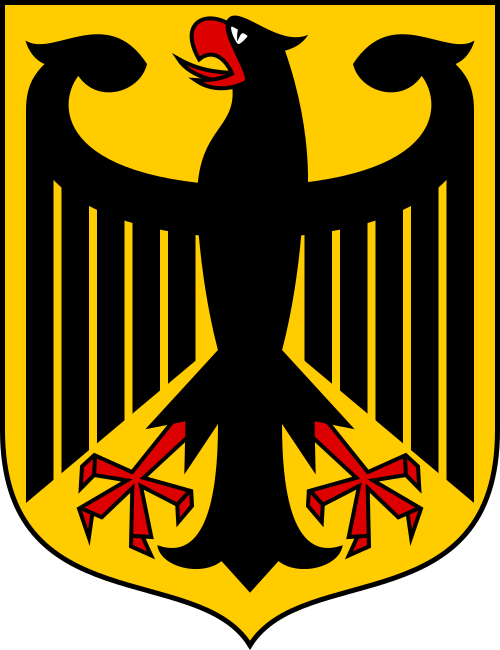
What is the Flag of Germany?
The German flag is the national emblem of Germany. It is a tricolor flag consisting of three equal horizontal bands displaying the national colors of Germany: black, red, and gold. The flag has been in use since its adoption in 1949 and is the official flag of the Federal Republic of Germany.
What Does the German Flag Look Like?
The German flag is a horizontal tricolor consisting of three equal-sized bars of black, red, and gold. The flag’s width is twice its height. The black stripe is on the top and the red stripe is in the middle while the gold stripe is at the bottom. The colors of the German flag are the national colors of Germany.
What is the German Flag Called?
The German flag is known as the Bundesflagge, which means “federal flag” in German. It is also known as the “Reichsflagge” or “Imperial Flag”, since it was the official flag of the German Empire from 1871 to 1918. The current flag has been in use since 1949.
What Does the German Flag Represent?
The German flag is a symbol of unity, pride, and strength. It is a reminder of Germany’s history and culture. The black, red, and gold colors of the flag represent the German people, their national unity, and the spirit of freedom. The black stands for the past, the red for the present, and the gold for the future. The German flag is a symbol of freedom and democracy that the German people have fought for throughout the years.
Who Created the German Flag?
The national flag of Germany, also known as the German flag or Bundesflagge, was designed by the German parliament, the Reichstag, in 1848. The German flag is one of the oldest national flags in the world, having been adopted in its current form in 1949.
The original German flag was created during the tumultuous era of the 19th century, when Germany was divided into numerous small states. The various German states each had their own flag, but the Reichstag wanted a common symbol to unify the country. The chosen design featured three horizontal stripes of black, red, and gold.
The colors chosen for the German flag had a specific meaning. Black represented the German people and their struggles, red stood for the courage and sacrifice of the German people during the wars of liberation, and gold was meant to symbolize freedom and unity.
The design of the German flag has remained largely unchanged since 1848, although minor variations have been made throughout the years. In the years following World War II, the German flag was slightly altered to remove the former Nazi symbols from the design. This version of the flag is still in use today and is known as the “Federal Flag of Germany”.
The German flag is considered an important symbol of national identity and pride. It is used in numerous government buildings, military bases, and other locations across Germany. The flag is also flown during important national holidays such as Reunification Day, German Unity Day, and International Workers’ Day.
The German flag is an important symbol of national unity and pride. The colors of the flag have a deep meaning, and the design has endured for over 150 years. The flag remains a powerful symbol of German unity and identity, and it is sure to remain an important part of the country’s culture for years to come.
Bordering Countries




Similar Flags
Flags that share colours with Germany