Iceland 🇮🇸
Republic of Iceland

The flag of Iceland has a blue field with a large white-edged red cross that extends to the edges of the field. The vertical part of this cross is offset towards the hoist side.
Location
Quick Facts
Alpha 2
ISAlpha 3
ISLNumber
352TLD
.isCapital
ReykjavikPopulation
366,425Area
103,000 km²Languages
Currencies
Drives on
RightWeek starts
MondayTimezones
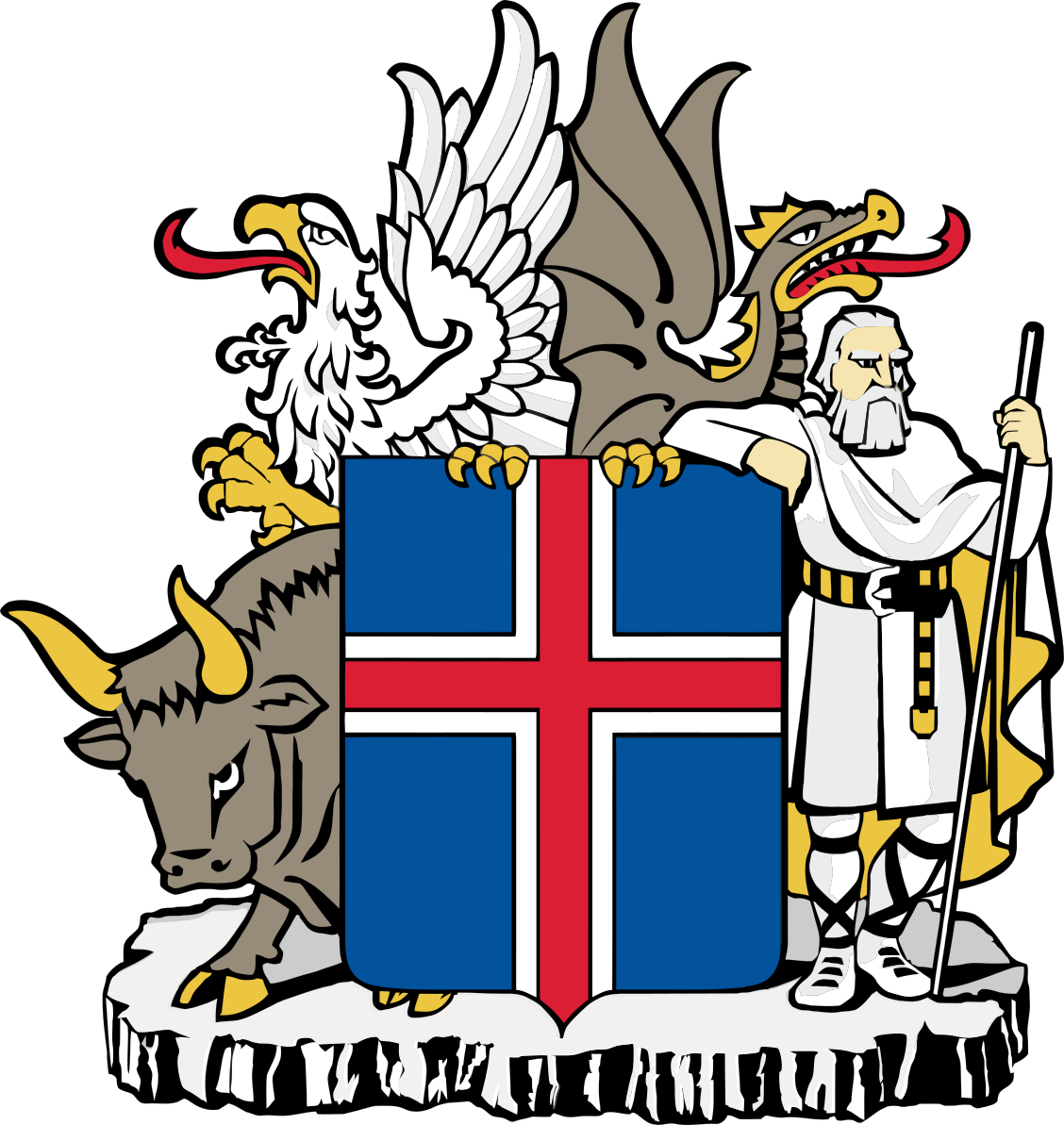
UTCCoat of Arms
What is the Flag of Iceland?
The flag of Iceland is a rectangular white-blue-red tricolor with a red cross in the centre. It is considered to be the oldest flag still in use in the world today, with its design dating back to the 13th century. The flag is known by its Icelandic name, “Íslenski fáninn”, which translates to “The Icelandic Flag”.
What Does the Iceland Flag Look Like?
The Icelandic flag has three bands of equal size, which are white on the top, blue in the middle and red at the bottom. The red cross is placed in the centre of the flag and is equal in size to the width of the flag. The cross is also in proportion to the Icelandic coat of arms, which is placed on the left side of the flag. The Icelandic flag has a width-to-length ratio of 1:2.
What is the Iceland Flag Called?
The Icelandic flag is known as “Íslenski fáninn”, which translates to “The Icelandic Flag”. In addition to this name, the flag is also known as the “Danish Cross” due to the Danish King, Christian IX, who adopted the flag in 1918. The flag is also referred to as the “Cross of Iceland” due to its red cross design.
What Does the Iceland Flag Represent?
The design of the Icelandic flag represents the Icelandic nation and its people. The white stands for the snow and ice that covers the country, the blue stands for the ocean that surrounds it, and the red symbolizes the volcanoes and lava that makes up the island. The red cross in the centre of the flag is a symbol of Christianity, which was adopted by the country in the 13th century. The Icelandic flag also represents the country’s independence and freedom, as it has remained in use since the 13th century.
Who Created the Icelandic Flag?
The current flag of Iceland was designed by a student named Þorvaldur Þorvaldsson in 1915, after a contest was announced by the Icelandic government to create a new national flag. Þorvaldur was born in 1876 and was an artist by profession, having studied at the Royal Academy of Fine Arts in Copenhagen, Denmark.
The main design of the flag of Iceland is a red field with a white cross that is outlined in blue. The blue border is a nod to the colors of the Danish flag, a nod to Iceland’s historical ties to Denmark. The red field is thought to represent the fire of the volcanoes that are found throughout the country, and the white cross is a symbol of Christianity.
The design of the Icelandic flag was officially adopted in June of 1915 and it has been used unofficially since then. The first official use of the flag was on the seal of the Icelandic government in 1918. The Icelandic government declared the flag as the official national flag in the mid-1920s.
The design of the flag of Iceland has remained largely unchanged since it was first created by Þorvaldur. Over the years, however, there have been some minor changes. In 1973, the blue border was made thicker and the white cross was made slightly larger. In 1985, the shades of red and blue were made darker.
The flag of Iceland is much more than just a symbol of the nation. It is a reminder of the country’s past, a way of showing national pride, and a sign of unity among its people. Þorvaldur’s simple but powerful design has become an integral part of the Icelandic culture and is a reminder of the country’s rich history and culture.
The Colours of Iceland
Similar Flags
Flags that share colours with Iceland