Togo 🇹🇬
Togolese Republic

The flag of Togo is composed of five equal horizontal bands of green alternating with yellow. A red square bearing a five-pointed white star is superimposed in the canton.
Location
Quick Facts
Alpha 2
TGAlpha 3
TGONumber
768TLD
.tgCapital
LoméPopulation
8,278,737Area
56,785 km²Languages
Currencies
Drives on
RightWeek starts
MondayTimezones
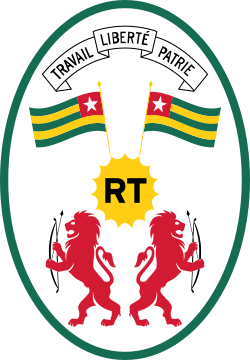
UTCCoat of Arms
What is the Flag of Togo?
The flag of Togo has five equal horizontal stripes that alternate green and yellow, beginning and ending with green (green, yellow, green, yellow, green). A red square canton sits in the upper hoist corner, with a single white five-pointed star centred within it. All five stripes are equal in width, and the star is in the red canton rather than on a yellow stripe.
What Does the Togo Flag Look Like?
The flag of Togo has five equal horizontal stripes in the order green, yellow, green, yellow, green, so the central stripe is green. In the upper hoist corner is a red square (canton) bearing a single white five-pointed star. All five stripes are the same width.
What is the Togo Flag Called?
The flag of Togo is officially referred to as the “national flag of Togo.” It is also sometimes referred to as the “Togolese flag” or simply the “Green-Yellow-Green.”
What Does the Togo Flag Represent?
The Togo flag is a symbol of the nation’s independence and unity. The green stripes represent hope and renewal. The yellow stripe represents the country’s mineral wealth. The white star symbolizes peace and unity. The flag of Togo is a reminder of the nation’s commitment to building a strong and prosperous future.
Who Created the Togolese Flag?
The flag was designed by Paul Ahyi, a Togolese artist, in 1960.
Source: Wikipedia, Flag of Togo.
The Colours of Togo
Bordering Countries


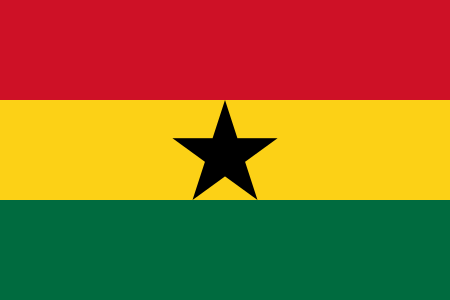
Similar Flags
Flags that share colours with Togo